BGMEA DAILY DIGEST
News published in media related to RMG: Today’s RMG News
March 29, 2026
The Daily Star
Bangladesh seeks EU support for LDC graduation deferment
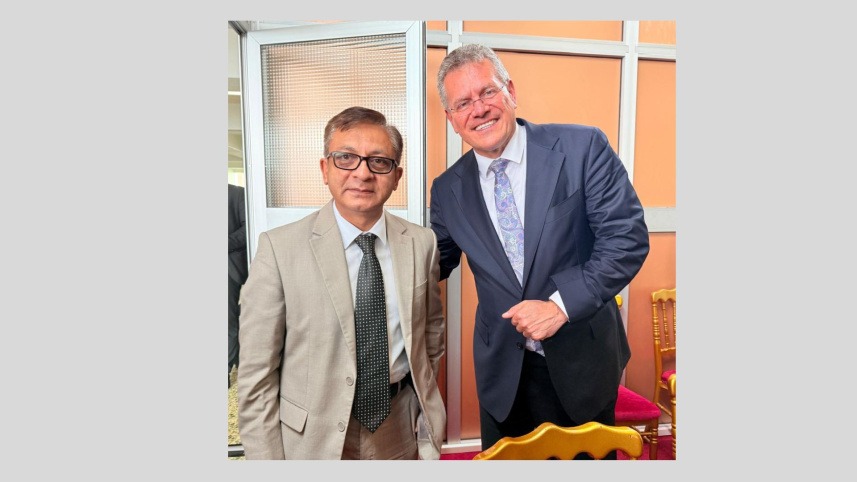
Bangladesh sought the European Union's (EU) support for deferring its graduation from the group of least developed countries (LDCs). Commerce Minister Khandakar Abdul Muktadir raised the issue at a bilateral meeting with Maros Sefcovic, EU Trade Commissioner, on the sidelines of the 14th WTO Ministerial Conference in Yaounde, Cameroon. "We have sought EU support for the deferment as we need it," Muktadir told The Daily Star after the meeting.

কালের কন্ঠ
ভারত-ইইউ এফটিএর যুগে, বাংলাদেশ কোন পথে : মো. মহিউদ্দিন রুবেল, বাংলাদেশ পোশাক প্রস্তুতকারক ও রপ্তানিকারক সমিতির (বিজিএমইএ) সাবেক পরিচালক এবং ডেনিম এক্সপার্ট লিমিটেডের অতিরিক্ত ব্যবস্থাপনা পরিচালক
অনেকের কাছে ইইউ-ভারত মুক্ত বাণিজ্য চুক্তি (এফটিএ) ‘বিনা মেঘে বজ্রপাত’ মনে হলেও বাস্তবে এটি প্রায় ১৮ বছরের ধারাবাহিক দর-কষাকষি ও প্রস্তুতির ফল। দীর্ঘমেয়াদি বাণিজ্য কূটনীতি, রপ্তানি কৌশল ও অর্থনৈতিক পরিকল্পনার সমন্বয়ে এই চুক্তি হয়েছে। তুলনায় বাংলাদেশ এই সময়জুড়ে মূলত প্রতিক্রিয়াশীল ছিল, অগ্রগামী নয়। প্রতিদ্বন্দ্বী দেশগুলোর সঙ্গে তুলনা করলে কূটনৈতিক তৎপরতা, চুক্তি স্বাক্ষরের গতি এবং কাঠামোগত সংস্কারে আমাদের পিছিয়ে থাকার প্রমাণ স্পষ্ট। করোনার ধাক্কা সামলে যখন বাংলাদেশের ব্যবসা-বাণিজ্য কিছুটা ঘুরে দাঁড়াতে শুরু করেছিল, ঠিক সেই সময় বিশ্ব আবার একের পর এক যুদ্ধের মধ্যে জড়িয়ে পড়ে, যার সর্বশেষ উদাহরণ হলো ইরান ও ইসরায়েল-মার্কিন দ্বন্দ্ব। এসব সংঘাতের নেতিবাচক প্রভাব থেকে আমাদের অর্থনীতি এখনো মুক্ত হতে পারেনি, ভবিষ্যতেও খুব সহজে পারবে না। এর ওপর যুক্ত হয়েছে যুক্তরাষ্ট্রের শুল্কচাপ, আর সাম্প্রতিক সময়ে ইইউ-ভারত এফটিএর মতো নতুন বাণিজ্যচুক্তি। অথচ ইউরোপীয় ইউনিয়নই (ইইউ) আমাদের রপ্তানি পণ্যের সবচেয়ে বড় বাজার।

বাংলাদেশ প্রতিদিন
জ্বালানি ব্যয় বৃদ্ধিতে বাড়ছে শিপিং খরচ
জ্বালানি খরচ বৃদ্ধির চাপ সামাল দিতে বিশ্বব্যাপী কনটেইনার শিপিং লাইনগুলো ভাড়া বাড়ানো শুরু করেছে। পাশাপাশি বিভিন্ন অপারেটর অতিরিক্ত সারচার্জ আরোপ করায় বাংলাদেশের আন্তর্জাতিক বাণিজ্যে নতুন করে ব্যয়চাপ তৈরি হয়েছে। ব্যবসায়ীরা বলছেন, এমন সময়ে এ সিদ্ধান্ত নেওয়া হয়েছে, যখন আগেই উচ্চ ভাড়া ও দীর্ঘস্থায়ী সাপ্লাই-চেইন সংকটে রয়েছে আমদানি-রপ্তানি খাত। সার্বিকভাবে মধ্যপ্রাচ্যের সংঘাত, জ্বালানির মূল্য বৃদ্ধি এবং শিপিং রুটের অনিশ্চয়তা বাংলাদেশের আমদানি-রপ্তানি খাতে নতুন করে চাপ সৃষ্টি করছে; যা দেশের সামগ্রিক অর্থনীতিতে নেতিবাচক প্রভাব ফেলতে পারে বলে আশঙ্কা করছেন সংশ্লিষ্টরা।
The New Age
RMG exports to EU surge 36pc in 5 years
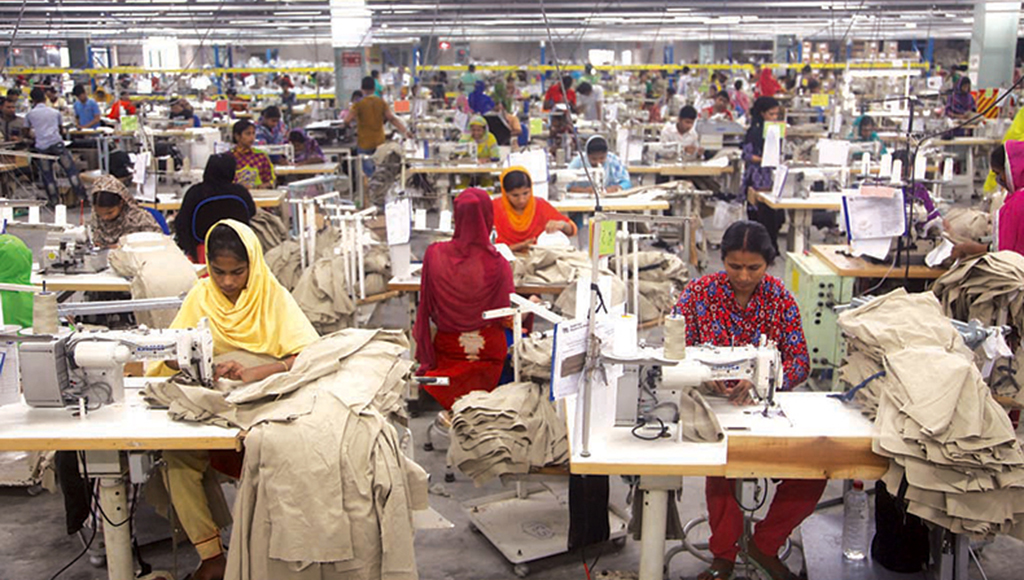
‘About 50 per cent of our total RMG export is bound to the EU, which is a good thing, but there might be challenges also,’ said Mohiuddin Rubel, former director of the Bangladesh Garment Manufacturers and Exporters Association. He said that to maintain growth in the EU market, Bangladesh must focus on both volume and value addition, as well as product diversification, sustainable production, and entry into higher-value segments. ‘The market is now under value pressure alongside volume growth. Although orders exist, prices remain low. As a result, the model of supplying more products at lower prices alone might not be sustainable in the long term,’ he added. He also said that the prolonged Middle East crisis could create a situation like Covid-19 and the Russia-Ukraine war, which could impact the RMG sector, which is already grappling with multifaceted challenges.
জাগো নিউজ২৪
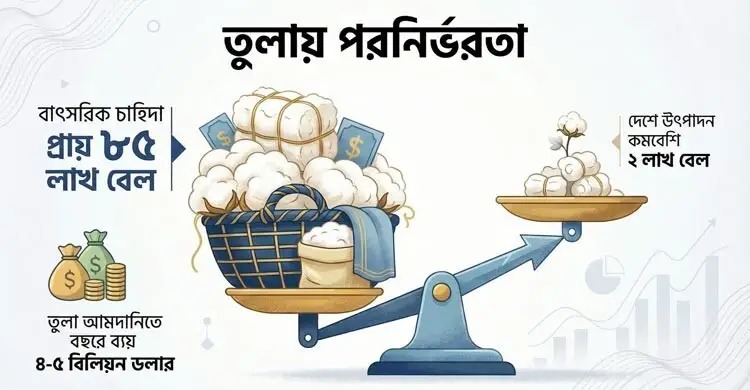
তৈরি পোশাকে ‘বিশ্বজয়ী বাংলাদেশ’ তুলায় বিদেশনির্ভর
রপ্তানিমুখী পোশাক শিল্পের উত্থানের সঙ্গে সঙ্গে দেশে তুলার চাহিদাও ক্রমান্বয়ে বেড়েছে। তবে এত চাহিদা বাড়ার পরও দেশে তুলা উৎপাদিত হয় মোট চাহিদার মাত্র ৩–৪ শতাংশ। সংশ্লিষ্টরা বলছেন, এত চাহিদার পরও তুলা উৎপাদনে প্রত্যাশিত কাজ করতে পারছে না সরকার। সে ক্ষেত্রে সরকারি সংস্থা তুলা উন্নয়ন বোর্ডেরও উৎপাদন বাড়াতে ও নতুন নতুন জাত উদ্ভাবনে কার্যকর গবেষণা নেই। বোর্ডের ব্যর্থতার সঙ্গে সরকারের সহযোগিতার অভাব ও বরাদ্দে অবহেলার কারণে চাহিদার ন্যূনতম তুলাও উৎপাদন করা যাচ্ছে না। অথচ উৎপাদন বাড়িয়ে প্রচুর বৈদেশিক মুদ্রা সাশ্রয় সম্ভব ছিল।
The Financial Express
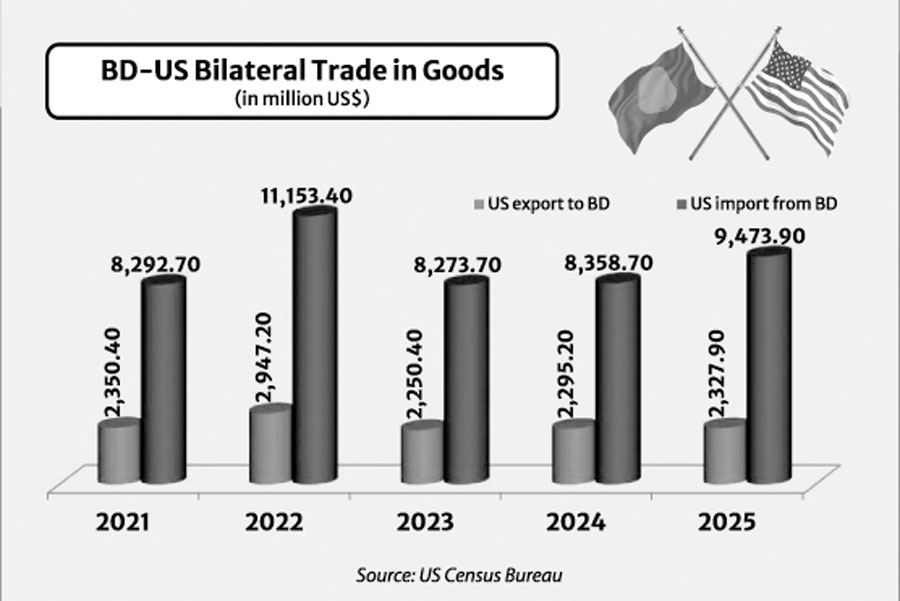
Bangladesh-US trade relations
The United States is Bangladesh's largest export market and a major source of foreign direct investment, with bilateral relations focusing heavily on garment trade, energy, and development. A 2026 trade agreement is reducing U.S. tariffs on Bangladeshi goods to 19 per cent, with special provisions for apparel made with U.S. cotton. The two countries signed a bilateral investment treaty in 1986. U.S. companies are the largest foreign investors in Bangladesh. Although Bangladesh may not be a major trading partner of the US, the US is an important and major partner to Bangladesh.